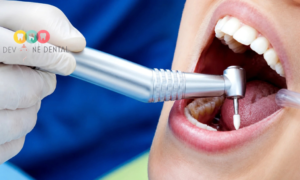

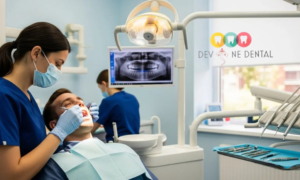
A cavity may start as a small problem, but untreated tooth decay can gradually become painful and affect the deeper parts of a tooth. Many people do not notice a cavity in its early stage because it may not cause pain at first.
If you are looking for cavity treatment in Indirapuram, understanding the early signs, treatment options, and prevention methods can help you take action before the problem becomes more serious.
Devine Dental in Indirapuram provides dental care for common problems such as tooth decay, cavities, tooth pain, and other dental concerns. The appropriate treatment depends on the condition of the affected tooth and the findings of a dental examination.
What Is a Dental Cavity?
A dental cavity is a damaged area in a tooth caused by tooth decay. Bacteria in the mouth can use sugars from food and drinks to produce acids. Over time, these acids can weaken the tooth’s protective enamel.
If the process continues, the damage can move deeper into the tooth.
Cavities commonly develop because of:
- Frequent sugary foods and drinks
- Poor oral hygiene
- Plaque buildup
- Inadequate cleaning between teeth
- Dry mouth
- Certain dietary habits
- Lack of regular dental check-ups
A cavity does not always cause pain immediately. This is why regular dental examinations are important.
What Are the Early Signs of a Cavity?
The symptoms of a cavity can vary depending on how advanced the decay is.
Some common signs include:
- Sensitivity to hot or cold foods
- Pain when eating sweets
- Toothache
- Pain while biting or chewing
- A visible dark spot on the tooth
- A small hole or rough area
- Food frequently getting stuck between teeth
- Persistent discomfort around a particular tooth
In the early stages, you may have no noticeable symptoms at all.
If you notice a new sensitivity or recurring pain, it is better to have the tooth examined instead of waiting for severe pain.
Can a Cavity Go Away on Its Own?
A cavity that has already formed a hole in the tooth generally does not repair itself naturally.
Very early tooth mineral loss may sometimes be managed with preventive measures and fluoride under professional guidance. However, once significant structural damage has developed, a dentist may need to restore the tooth.
This is why early dental evaluation can help prevent a small problem from becoming a larger one.
What Are the Treatment Options for Cavities?
The treatment depends on how much of the tooth has been affected.
1. Dental Filling
A filling is commonly used when decay has damaged part of the tooth but the tooth can still be restored.
During the procedure, the dentist removes the decayed portion and restores the affected area with an appropriate filling material.
A filling can help restore the tooth’s shape and function.
2. Root Canal Treatment
If decay progresses deep into the tooth and affects the pulp, a root canal may be required.
Possible signs of deeper infection or pulp involvement include:
- Persistent or severe toothache
- Pain while chewing
- Prolonged sensitivity
- Swelling around the tooth
- Tenderness
- Tooth discoloration
Root canal treatment aims to remove infected or inflamed tissue from inside the tooth, clean the root canal system, and seal it.
Not every cavity requires a root canal. The dentist needs to examine the tooth and determine how deeply the decay has progressed.
3. Dental Crown
If a tooth has extensive damage and does not have enough healthy structure to support a simple filling, a crown may be recommended.
A crown covers the tooth and can help protect a weakened tooth.
A crown may be considered after root canal treatment or when a tooth has significant structural damage.
4. Tooth Extraction
Extraction is generally considered when a tooth is severely damaged and cannot be predictably restored.
Whenever possible, preserving a natural tooth is often considered during treatment planning. However, the appropriate option depends on the condition of the tooth, surrounding tissues, and overall oral health.
When Should You See a Dentist for a Cavity?
Do not wait until the pain becomes severe.
You should arrange a dental examination if you notice:
- Persistent tooth sensitivity
- A visible hole or dark spot
- Toothache
- Pain while chewing
- Swelling around a tooth
- Bad taste or possible signs of infection
- Food repeatedly getting stuck around one tooth
Severe pain, facial swelling, fever, or difficulty swallowing or breathing requires prompt professional attention.
Devine Dental provides dental care in Indirapuram, including emergency dental services for urgent dental problems.
How Is a Cavity Diagnosed?
A dentist will usually examine the affected tooth and ask about your symptoms.
Depending on the situation, the dentist may also recommend an X-ray. This can help identify decay between teeth or damage that is not easily visible during a routine examination.
The treatment plan may depend on:
- The size and depth of the cavity
- Location of the decay
- Condition of the tooth
- Presence of infection
- Remaining healthy tooth structure
- Symptoms and dental history
This is why treatment should be based on a proper examination rather than symptoms alone.
How Can You Prevent Cavities?
Preventing tooth decay is easier than treating advanced dental damage.
Follow these simple habits:
Brush Twice a Day
Brush your teeth twice daily using fluoride toothpaste. Spend enough time cleaning all tooth surfaces without brushing too aggressively.
Clean Between Your Teeth
A toothbrush cannot effectively clean every area between teeth. Floss or use an appropriate interdental cleaning method to remove plaque and food particles.
Reduce Frequent Sugary Foods
Frequent exposure to sugar can increase the risk of tooth decay. Try to reduce sugary snacks and drinks between meals.
Drink Water
Water can help maintain oral cleanliness and is a better everyday drink choice than frequent sugary beverages.
Do Not Ignore Sensitivity
If a tooth repeatedly reacts to hot, cold, or sweet foods, arrange a dental examination. Sensitivity can have several causes, including decay.
Have Regular Dental Check-Ups
Regular examinations can help identify cavities and other dental problems before they become more complicated.
Why Choose a Dental Clinic in Indirapuram for Cavity Treatment?
If you live or work in Indirapuram, visiting a nearby dental clinic can make it easier to receive timely evaluation and follow-up care.
Devine Dental is located at UGF 15, Lotus Plaza, Vaibhav Khand, Indirapuram, Ghaziabad, Uttar Pradesh 201014. The clinic provides dental services for problems including tooth decay, dental emergencies, root canal treatment, teeth cleaning, and other oral health needs.
The right treatment should always be selected after examining the affected tooth and understanding the patient’s individual dental condition.
Frequently Asked Questions About Cavity Treatment
1. What is the best treatment for a cavity?
The treatment depends on how deep the decay is. A smaller cavity may be treated with a filling, while deeper decay affecting the pulp may require root canal treatment and possibly a crown.
2. Can a cavity be treated without a root canal?
Yes. Not every cavity requires a root canal. If the decay has not affected the pulp, a filling or another restorative treatment may be sufficient.
3. Does a cavity always cause tooth pain?
No. Early cavities may not cause noticeable pain. Regular dental check-ups can help detect tooth decay before symptoms become severe.
4. How can I prevent cavities?
Brush twice daily with fluoride toothpaste, clean between your teeth, limit frequent sugary foods and drinks, drink water, and maintain regular dental check-ups.
5. When should I see a dentist for a cavity?
See a dentist if you notice tooth sensitivity, a visible hole, toothache, pain while chewing, swelling, or recurring discomfort. Early evaluation can help prevent further damage.
Suggested Links
https://devinedental.in/contact-us
https://devinedental.in/service
https://devinedental.in/gallery
Don’t Wait for a Cavity to Become Painful
A small cavity can become a bigger dental problem when treatment is delayed. If you have tooth sensitivity, a visible cavity, recurring toothache, or pain while chewing, get the tooth examined by a dentist.
If you are searching for cavity treatment in Indirapuram, contact Devine Dental for a dental consultation and appropriate treatment planning.
Devine Dental
UGF 15, Lotus Plaza, Vaibhav Khand, Indirapuram, Ghaziabad, Uttar Pradesh 201014
Book your dental consultation today and take action before a small cavity becomes a bigger dental problem.