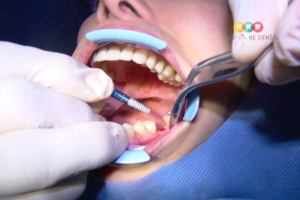

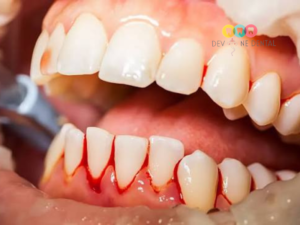
Quick answer: Bleeding gums are usually a sign of gum inflammation caused by plaque. This early stage is called gingivitis, and it is reversible with better cleaning and a professional dental cleaning. Bleeding is not normal, even if it happens only when you brush. If it lasts more than one to two weeks, see a dentist. At Devine Dental in Indirapuram, we treat gum problems in a safe and secure way and help you protect your teeth for the long term.
Do you see pink in the sink when you brush or floss? Many people ignore it, but your gums are warning you. This guide explains why gums bleed, what you can do at home and when you need a dentist.
Why Do Gums Bleed?
Healthy gums do not bleed. When bacteria build up along the gumline, they form a sticky film called plaque. Plaque irritates the gums, and they become red, swollen and tender. Then they bleed easily.
Common Causes of Bleeding Gums
- Plaque and tartar buildup: This is the most common cause. Hardened plaque (tartar) needs professional removal.
- Gingivitis: This is early gum disease. Bleeding, redness and bad breath are the main signs.
- Brushing too hard: A hard brush or heavy pressure can injure the gums.
- Starting flossing: Gums may bleed for a few days when you begin to floss. It should settle within a week or two.
- Periodontitis: This is advanced gum disease. It damages the bone that holds your teeth.
- Hormonal changes: Pregnancy, puberty and menopause make gums more sensitive.
- Tobacco use: Smoking harms gum health and can hide the early signs of disease.
- Vitamin deficiency: Low vitamin C or vitamin K can make gums bleed more easily.
- Medicines and health conditions: Blood thinners, diabetes and some other conditions increase the risk.
Signs Your Gum Problem Is Getting Worse
Watch for these warning signs:
- Gums that bleed often or without brushing
- Red, puffy or shiny gums
- Persistent bad breath or a bad taste
- Gums that pull away from the teeth
- Loose or shifting teeth
- Pus between the teeth and gums
- Pain when you chew
These signs may point to periodontitis, which needs prompt dental care.
Home Care for Bleeding Gums
Good habits can calm mild gum bleeding. However, home care does not remove hardened tartar, so you still need a dental check-up.
- Brush twice a day with a soft-bristled brush and fluoride toothpaste. Use gentle, circular strokes.
- Floss daily. Be gentle and curve the floss around each tooth.
- Rinse with warm salt water. Mix half a teaspoon of salt in a glass of lukewarm water and rinse after meals.
- Clean between your teeth with interdental brushes if you have gaps.
- Eat a balanced diet with fruits and vegetables rich in vitamin C.
- Quit tobacco. It is one of the biggest risks for gum disease.
- Drink enough water and limit sugary snacks.
Do not stop brushing because your gums bleed. Cleaning the area gently helps it heal.
When Should You See a Dentist?
Book an appointment if:
- Your gums bleed for more than one to two weeks
- You have bad breath that does not improve
- Your gums look swollen, red or receding
- Your teeth feel loose
- You see pus or have pain
- You are pregnant, diabetic or on blood thinners and notice bleeding
Go to a doctor or emergency department straight away if bleeding is heavy and will not stop, or if you have fever and facial swelling.
How Do Dentists Treat Bleeding Gums?
Your dentist first finds the cause. Then the treatment depends on how far the gum problem has progressed.
- Professional cleaning (scaling): We remove plaque and tartar above and below the gumline. This is the main treatment for gingivitis.
- Deep cleaning (root planing): For advanced gum disease, we clean the root surfaces and smooth them so the gums can reattach.
- Oral hygiene coaching: We show you the right brushing and flossing method for your mouth.
- Treatment of other causes: We adjust damaged fillings or crowns that trap plaque, and we refer you to a doctor if a medical cause is likely.
- Regular follow-ups: We monitor your gums so the problem does not return.
Early treatment is simple, comfortable and effective. Delay allows gum disease to spread to the bone.
Gum Treatment at Devine Dental, Indirapuram
At Devine Dental in Vaibhav Khand, we examine your gums carefully, explain what we find in simple words and recommend only the treatment you need. Our gum treatment and teeth cleaning services follow strict sterilization steps, so every visit is safe and secure. We focus on gentle care and clear communication from your first visit to your follow-up. See our clinic on the gallery page.
Book Your Gum Check-Up Today
Do not ignore bleeding gums. Early care protects your teeth and your smile.
📞 Call: +91-9690578232 | +91-7042653107
📍 Visit: Devine Dental, UGF 15, Lotus Plaza, Vaibhav Khand, Indirapuram, Ghaziabad, Uttar Pradesh 201014
👉 Book an Appointment
Frequently Asked Questions
Is it normal for gums to bleed when brushing?
No. Healthy gums do not bleed. Occasional bleeding can happen after you start flossing or brush too hard, but bleeding that lasts more than one to two weeks needs a dental check-up.
What is the main cause of bleeding gums?
Plaque buildup along the gumline is the most common cause. It leads to gingivitis, which makes the gums red, swollen and likely to bleed.
Can bleeding gums heal on their own?
Mild gingivitis can heal with good brushing, flossing and a professional cleaning. If tartar is present, only a dentist can remove it.
Should I stop brushing if my gums bleed?
No. Keep brushing gently with a soft brush. Stopping lets more plaque build up and makes the bleeding worse.
Is gum treatment safe and secure?
Yes. A qualified dentist uses sterilized instruments and gentle techniques. Scaling and cleaning are routine, comfortable procedures.
Can bleeding gums be a sign of a serious problem?
Sometimes. Persistent bleeding can signal gum disease, diabetes, a vitamin deficiency or a blood disorder. A dentist can check your gums and advise you on whether you need a doctor’s opinion.
Why do my gums bleed during pregnancy?
Hormonal changes increase blood flow to the gums and make them more sensitive. Good cleaning and regular dental visits help. Tell your dentist that you are pregnant.
Can vitamin deficiency cause bleeding gums?
Yes. Low vitamin C or vitamin K can contribute. Eat a balanced diet, and ask your doctor to check your levels if bleeding continues.
How can I prevent bleeding gums?
Brush twice a day, floss daily, avoid tobacco, eat a balanced diet and visit your dentist for a cleaning every six months.
Disclaimer: This article offers general information and does not replace a personal dental examination.