
Healthy gums are an important part of a healthy smile. However, gum problems can develop slowly, and many people do not notice them until symptoms become more obvious. Bleeding while brushing, swollen gums, persistent bad breath, or gum tenderness should not simply be ignored.
If you are searching for gum disease treatment in Indirapuram, understanding the early signs and possible causes can help you seek dental care at the right time.
Gum disease can range from mild gum inflammation to more advanced conditions that affect the tissues supporting the teeth. Early evaluation and proper oral hygiene can help manage gum problems and protect your teeth.
What Is Gum Disease?
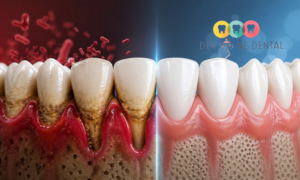
Gum disease is an infection or inflammation affecting the tissues around the teeth. It often begins when plaque builds up along the gumline.
Plaque is a sticky layer containing bacteria. If it is not removed properly through brushing and cleaning between the teeth, it can irritate the gums. Over time, plaque can harden into tartar, which usually requires professional dental cleaning to remove.
Gum disease can develop gradually, so regular dental checkups are important even when there is little or no pain.
What Are the Early Symptoms of Gum Disease?
One of the most common questions is: “How do I know if I have gum disease?”
Some early warning signs include:
- Bleeding while brushing or flossing
- Red or swollen gums
- Tender or sensitive gums
- Persistent bad breath
- Gums that look different from usual
- Plaque or tartar buildup around the teeth
- Mild gum discomfort
- Receding gums
Bleeding gums are not something you should routinely consider normal. If bleeding continues despite improving your oral hygiene, a dental examination can help identify the cause.
What Causes Gum Disease?
Several factors can contribute to gum problems.
1. Plaque Buildup
Plaque is one of the main causes of gum inflammation. If it remains around the teeth and gumline, bacteria can irritate the gums.
2. Tartar
When plaque hardens into tartar, normal brushing may not be enough to remove it. Professional dental cleaning may be required.
3. Poor Oral Hygiene
Not brushing properly or failing to clean between teeth can allow plaque to accumulate.
4. Smoking and Tobacco Use
Tobacco use can negatively affect gum health and may increase the risk of gum problems. People who use tobacco should discuss their oral health with a dentist.
5. Certain Health Conditions
Some medical conditions and medications can affect gum health. If you have a health condition or take regular medication, tell your dentist during your dental consultation.
6. Irregular Dental Checkups
Some gum problems can progress without significant pain. Regular dental examinations can help detect changes before they become more advanced.
Can Gum Disease Happen Without Pain?
Yes. Gum disease does not always cause pain, especially in its early stages.
A person may have gum inflammation, plaque buildup, or bleeding gums without experiencing significant discomfort. This is one reason why waiting for pain before visiting a dentist may delay diagnosis.
Regular dental checkups can help identify gum problems that may not yet be causing noticeable symptoms. Devine Dental also highlights the importance of regular dental visits because some oral health problems can develop without pain.
What Happens If Gum Disease Is Left Untreated?
Untreated gum problems may become more difficult to manage as inflammation progresses.
Possible signs of more advanced gum problems can include:
- Increasing gum swelling
- Persistent bleeding
- Gum recession
- Persistent bad breath
- Loose teeth
- Changes in how teeth fit together
- Discomfort while chewing
Advanced gum disease can affect the tissues and bone supporting the teeth.
This is why early evaluation is important when you notice ongoing gum bleeding, swelling, or other changes.
How Is Gum Disease Diagnosed?
A dentist will examine your teeth and gums and ask about your symptoms and oral hygiene routine.
The examination may include checking:
- Gum appearance
- Plaque and tartar buildup
- Areas of bleeding
- Gum recession
- Tooth mobility
- Overall oral hygiene
- Supporting structures around the teeth
Depending on your symptoms and dental findings, the dentist may recommend additional examination or dental imaging.
The treatment plan should be based on the condition of your gums and teeth rather than symptoms alone.
What Are the Treatment Options for Gum Disease?
The appropriate treatment depends on how advanced the gum problem is.
1. Professional Teeth Cleaning
For patients with plaque and tartar buildup, professional teeth cleaning may be recommended.
A dental professional can remove deposits that cannot be effectively removed through routine brushing alone.
Devine Dental lists Teeth Cleaning and Gum Treatment among its dental services.
2. Improved Home Oral Hygiene
Your dentist may recommend improvements to your daily oral care routine.
This may include:
- Brushing twice a day
- Cleaning between the teeth
- Using an appropriate toothbrush
- Paying attention to the gumline
- Following professional cleaning recommendations
3. Periodontal Treatment
When gum disease is more advanced, additional periodontal treatment may be required. The exact procedure depends on the condition of the gums and supporting tissues.
Your dentist can explain the treatment options after examining your oral health.
4. Treatment of Related Dental Problems
Sometimes gum problems occur alongside cavities, damaged teeth, or other dental conditions. Treating these issues may be part of a complete oral health plan.
The goal is to manage the underlying dental concerns while supporting healthier gums.
How Can You Prevent Gum Disease?
Good daily habits can help reduce the risk of gum problems.
Brush Twice Daily
Brush your teeth twice a day with fluoride toothpaste. Clean gently along the gumline without using excessive force.
Clean Between Your Teeth
Plaque can remain between teeth even after brushing. Floss or use another interdental cleaning method recommended by your dentist.
Limit Tobacco Use
Avoiding tobacco can support better oral health and reduce exposure to factors that can negatively affect your gums.
Maintain Regular Dental Checkups
Do not wait until you have severe pain. Regular dental visits can help monitor your gums and identify problems earlier.
Get Professional Cleaning When Recommended
If plaque or tartar builds up, professional teeth cleaning may be necessary. Your dentist can recommend how frequently you need it based on your individual oral health.
When Should You See a Dentist for Gum Problems?
You should arrange a dental appointment if you notice:
- Frequent bleeding while brushing
- Swollen or red gums
- Persistent bad breath
- Gum recession
- Loose teeth
- Pain or tenderness around the gums
- Significant tartar buildup
- Changes in your bite or chewing comfort
If symptoms are severe or rapidly worsening, seek dental attention promptly.
Why Choose a Dental Clinic in Indirapuram for Gum Treatment?
Choosing a nearby dental clinic can make it easier to receive timely examination, treatment, and follow-up care.
Devine Dental in Indirapuram lists gum treatment, teeth cleaning, root canal treatment, dental implants, pediatric dentistry, and other dental services. Its team includes dental professionals with different areas of expertise.
Dr. Preetika Goyal is listed by the clinic as a Pedodontic & Preventive Dentist with BDS and MDS qualifications, while the clinic also has specialists in oral and maxillofacial surgery and prosthodontics.
Frequently Asked Questions
1. What is the first sign of gum disease?
Bleeding gums while brushing or flossing can be an early warning sign. Redness, swelling, tenderness, and persistent bad breath can also indicate gum problems.
2. Can gum disease be treated?
Yes. Treatment depends on the severity of the condition. Professional cleaning, improved oral hygiene, and other periodontal treatments may be recommended after a dental examination.
3. Can gum disease cause bad breath?
Yes. Persistent bad breath can be associated with plaque buildup and gum problems. If bad breath continues despite regular brushing, a dental examination can help identify the cause.
4. How can I prevent gum disease?
Brush twice daily, clean between your teeth, limit tobacco exposure, maintain regular dental checkups, and have professional teeth cleaning when recommended.
5. Should I see a dentist if my gums bleed while brushing?
Yes. Occasional bleeding can have different causes, but repeated or persistent gum bleeding should be evaluated by a dentist to determine the underlying problem.
Suggested Links
https://devinedental.in/contact-us
https://devinedental.in/gallery
Protect Your Gums Before the Problem Gets Worse
Healthy gums should not be overlooked. If you regularly notice bleeding, swelling, bad breath, gum recession, or other changes, getting a dental examination can help identify the cause and determine the appropriate treatment.
If you are looking for gum disease treatment in Indirapuram, schedule a consultation with Devine Dental for an oral health evaluation and personalized treatment plan. The clinic provides gum treatment and professional teeth cleaning along with comprehensive dental care.
Book your dental appointment today and take the first step toward healthier gums, stronger teeth, and a healthier smile.
